
Hot Takes
Movie Tropes I Hate: The Ones That Make Me Turn Off the TV
We love talking about our favorite films, but the list of movie tropes we completely refuse to watch is far more revealing.
May 12, 2026 · 9 min read
There are certain themes, genres, and structural tropes that I avoid entirely, no matter how many people enthusiastically tell me that I am missing out. Elite awards, universal critical praise, or passionate word-of-mouth recommendations are never enough to make me sit through a production that I know will leave me feeling worse off than before I pressed play.
Life is short, free time is limited, and my boundaries are non-negotiable. Here are the cinematic hilltops I am completely prepared to die on.
Protecting My Peace: The Trauma Porn Trap
There is a distinct category of film and television that critics love to label as "important cinema." I understand the intellectual argument behind it. Representation absolutely matters, and telling historically difficult stories has objective value. But there is a massive boundary between a narrative that productively challenges an audience and one that simply grinds your spirit into dust. Some media exists solely to immerse you in unrelenting human misery — frequently the historic suffering of people who look exactly like me — with zero narrative payoff beyond a bleak reminder that humanity can be monstrous. I have heard this trend described as trauma porn, and the label fits perfectly.
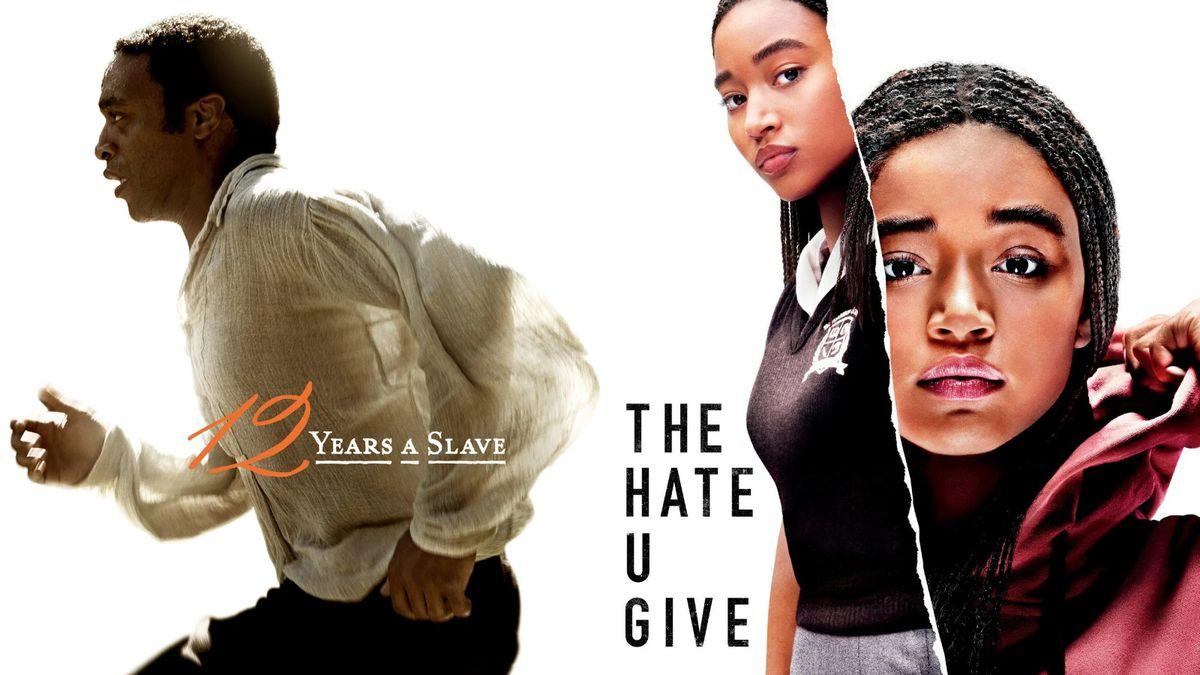
This is precisely why I stay completely away from anything centered on slavery, generational trauma, or heavy, systemic racism. A film like 12 Years a Slave is the exact type of production I will never watch. I know it is widely considered a cinematic masterpiece. But I also know the exact emotional tax it will levy on my mental health to sit through it, and I have made a conscious, protective choice not to pay that price. The same boundary applies to stories centered on police brutality, systemic violence, and racially motivated historical killings.
What infuriates me most about this genre is how it gets aggressively framed as a civic duty. People will genuinely tell you that you owe it to yourself to watch these horrors, as if choosing not to relive systemic historical trauma in your precious leisure time is equivalent to being ignorant of it. That logic simply does not hold water. I am already profoundly aware of what those stories depict. I live in a world where those foundational scars still exist. Sitting through a brutal, two-hour dramatization of human degradation does not make me more informed or more empathetic.
Given the choice between a historically grounded story about oppression and a supernatural horror thriller, I will choose the supernatural thriller every single time. Give me something strange, clever, and imaginative that takes me somewhere I have never been. That is exactly what I am sitting down for.
Grit vs. Intellect: Breaking the Cycle of Organized Crime
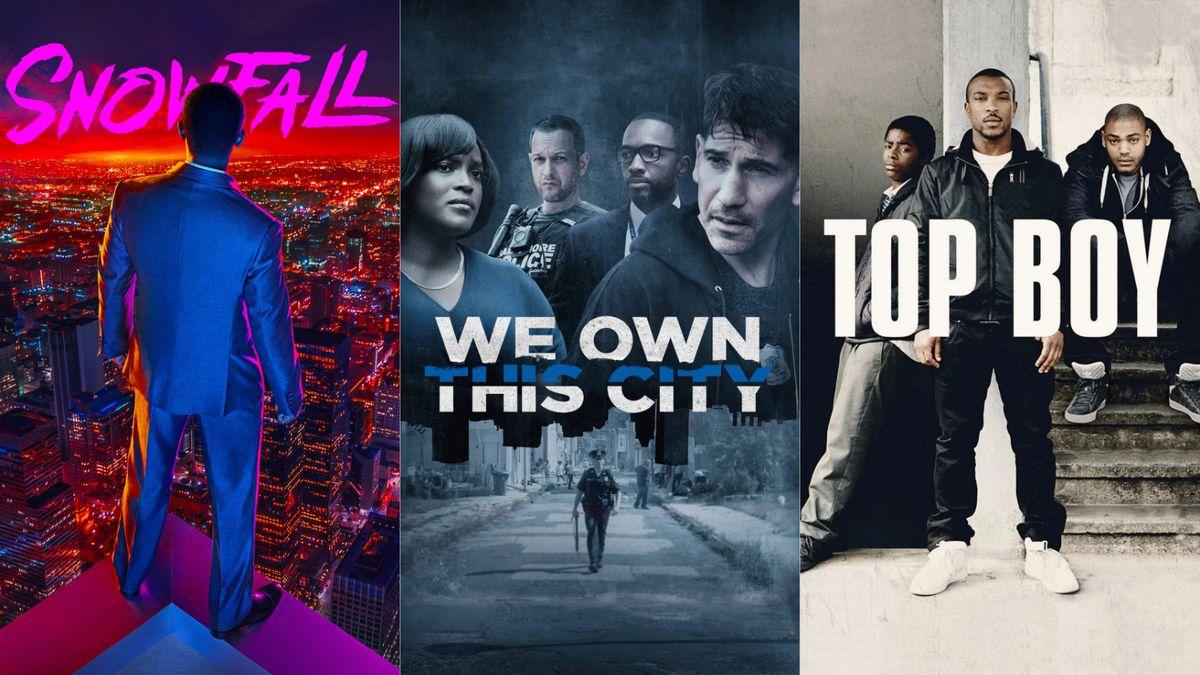
Gang violence and the drug trade fall into a similar boundary for me. These are narratives I actively cross off my list, no matter how impeccably crafted they are. People tell me constantly that I need to watch Top Boy. They swear that Snowfall is some of the greatest television ever put to screen. I believe them. I also have absolutely no plans to ever watch either.
We Own This City belongs on that exact same ban list. The reason is simple: corrupt police officers are just another organized gang. The uniform might be different, but the mechanical cycle remains identical: territory, institutional power, violence, tragic consequences, repeat. I do not find that circular decay interesting or entertaining to watch.
The drama in most of these "gritty" crime shows stems entirely from escalation. A character makes an inevitably terrible decision, things turn brutally violent, the walls close in, and everyone is trapped inside a structural nightmare with zero exits. The "grit" is positioned as the artistic point. But rawness for its own sake is not the same thing as narrative tension or intellectual storytelling. After a while, the locations and names just blur together—different cities, different characters, same exact downward spiral. The show concludes, nothing has fundamentally evolved in your understanding of the human condition, and you have simply spent hours watching desperate people destroy one another inside a system designed to ensure they keep doing it.
Breaking Bad is one of the rare exceptions I deeply respect, and it works because the core architecture of that show isn't actually about the mechanics of the drug trade. The drug trade is just the backdrop. The actual story is a precise, almost surgical psychological study of human transformation—a slow-motion look at how a regular man methodically dismantles his own moral identity and rebuilds himself into a monster.
Power Fantasies, Pandering, and Lazy Comedy in Anime
Let me be entirely clear: I am not anti-anime. Some of the most blindingly creative, ambitious, and conceptually staggering storytelling I have ever experienced has come directly from animation. The medium is capable of executing visual feats, expansive world-building, and high-concept ideas that live-action simply cannot touch. But over the years, my patience with a massive portion of mainstream anime has quietly evaporated, and I've had to be brutally honest about the dealbreakers.
The first major offender is the modern Isekai formula—specifically the generic "reincarnated into a fantasy world" conveyor belt. A baseline protagonist dies in our world, wakes up in a high-fantasy landscape, and is instantly handed an overpowered special skill or secret knowledge that gives them a permanent edge. There is immense creative potential in that premise, but most modern shows completely abandon the premise in favor of the real destination: a low-effort power fantasy wrapped entirely around a harem.
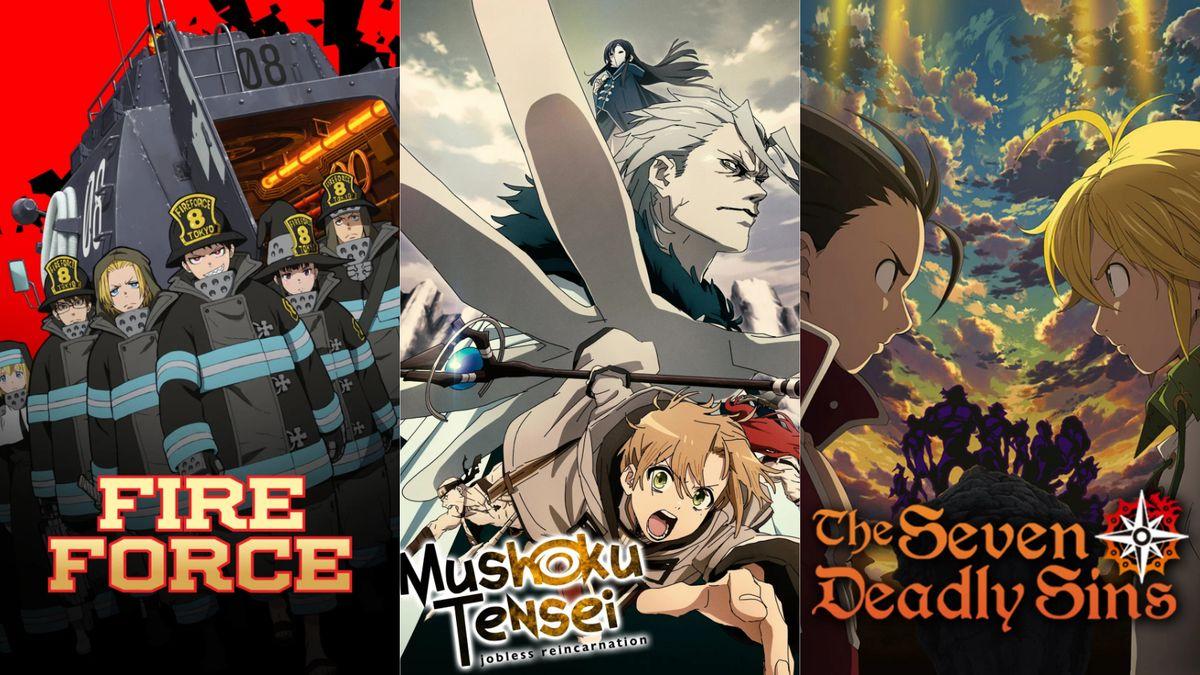
Mushoku Tensei: Jobless Reincarnation is the poster child for this frustration. The production team builds a gorgeous, elaborate fantasy universe, and then uses that stunning artistry as a mere backdrop for a protagonist who is, at his core, a deeply lecherous, unrepentant adult mind trapped in a child's body. The reincarnation element isn't used as an actual storytelling device; it’s used as a moral reset button that allows the writers to strip all ethical accountability from a character while still rewarding him with everything he desires. Once you notice that predatory pattern, it completely ruins the illusion. The whole genre has collapsed into a predictable blueprint: mysterious arrival, instant cheat-code status, and a growing collection of female characters who exist solely to orbit the main guy.
The second dealbreaker is egregious, unearned fanservice. I want to be incredibly specific here: I am talking about provocative scenes that have zero narrative justification, contribute nothing to the plot, and actively shatter the tone the show worked so hard to establish.
Fire Force is the ultimate tragedy of this trope. The series boasts mind-blowing animation, a genuinely fascinating premise, and moments of real emotional weight. Yet, the narrative constantly stops dead in its tracks to insert jarring scenes of a female character being accidentally groped or stripped, played entirely for cheap laughs. It ruins the momentum. You are completely locked into a sequence that is actually working, and then the show reminds you that it doesn't entirely respect your attention. The sheer quality of the animation makes it worse—it proves the creators had the skill to do something brilliant, but consciously chose to rely on a lazy crutch instead.
The third strike is "comedy" that is actually just systemic harassment disguised by a cheerful soundtrack. The Seven Deadly Sins baked this structural failure directly into its primary protagonist. Meliodas repeatedly gropes and violates Elizabeth throughout the series, and the show frames it as a quirky, endearing personality trait. It isn't. In any other narrative context, that exact pattern of behavior makes a character an absolute villain. Framing it as a harmless joke doesn't make it funny; it just makes the production feel incredibly lazy, outdated, and profoundly uncomfortable to watch. I am entirely out of patience for it.
The Cinematic Exception: Architecture in War
War films are another historical genre I deliberately keep at arm's length. Most of them follow a rigid, predictable template: a rugged squad of soldiers, a mathematically impossible mission, broad patriotism, heroic sacrifice, and a massive amount of incredibly loud audio engineering. The spectacle is massive, the emotional strokes are incredibly broad, and by the final frame, you have witnessed a lot of expensive destruction. Personally, I find the spectacle entirely empty.
However, I have exactly two exceptions to this rule, and they are worth unpacking because they reveal precisely what I look for in a film:
-
Dunkirk (2017): This film works flawlessly for me because Christopher Nolan approached the historical event as an intricate technical puzzle rather than a sentimental war melodrama. The entire movie is built across three distinct, overlapping timelines: one hour in the air, one day on the sea, and one week on the beach. They run simultaneously, converging precisely on the same historical event. The experience of watching it feels architectural. You aren't just watching soldiers struggle to survive; you are watching a director masterfully manipulate time and spatial geography. Most war films desperately want you to feel something; Dunkirk demands that you experience it.
-
1917 (2019): Sam Mendes and legendary cinematographer Roger Deakins shot this World War I epic to appear as one singular, continuous, unbroken take. Whether you understand the complex camera rigs required to pull this off or not, the physiological effect on the viewer is immediate. There are no traditional editorial cuts to grant you breathing room. You are completely locked in, moving through the trenches and muddy landscapes in absolute real-time alongside the characters. It transforms the entire genre into an immersive nightmare.
What both of these masterpieces share is that they lead with a profound cinematic idea — a deliberate, stylized answer to the question: "How should this specific story be told?" Most standard war films never bother to ask that question.
The Final Verdict
Ultimately, I view entertainment as a necessary form of escape. When I choose to sit down and watch something, I am making a conscious decision to step completely outside of the real world for a brief moment.
The absolute last thing I want to do with my limited free hours is trapped inside a narrative that meticulously mirrors the most exhausting, brutal, and unjust realities of our world — just packaged with better cinematography and a prestige soundtrack.