Review
The Runner (2026) Review: Gal Gadot Runs, the Script Doesn't
Gal Gadot runs across London for 84 minutes in Amazon's phone-call thriller. A review of the familiar plot, the talent behind it, and the review-bombing debate.
2026 · 1h 24m · Thriller, Action
September 5, 2026 · 8 min read

The Runner isn't the worst movie of the year, whatever the internet says. It's just a very familiar one. Gal Gadot runs across London for 84 minutes and somehow it still feels longer than the trial her character is supposed to be prosecuting. That's the whole vibe in one sentence, but stick with me, because there's more to unpack here than just legs and spandex.
If you've watched more than three action thrillers in the last decade, you already know this genre by heart: a person gets a phone call, someone they love is in danger, a mystery voice on the other end tells them to move, keep moving, and don't stop or else. You've seen Phone Booth and probably seen the Black Mirror episode "Shut Up and Dance" too, which did the blackmail-by-phone thing with a lot more dread. The Runner picks London as its scenery, straps a pair of running shoes on Wonder Woman, and calls it a day.
The Premise
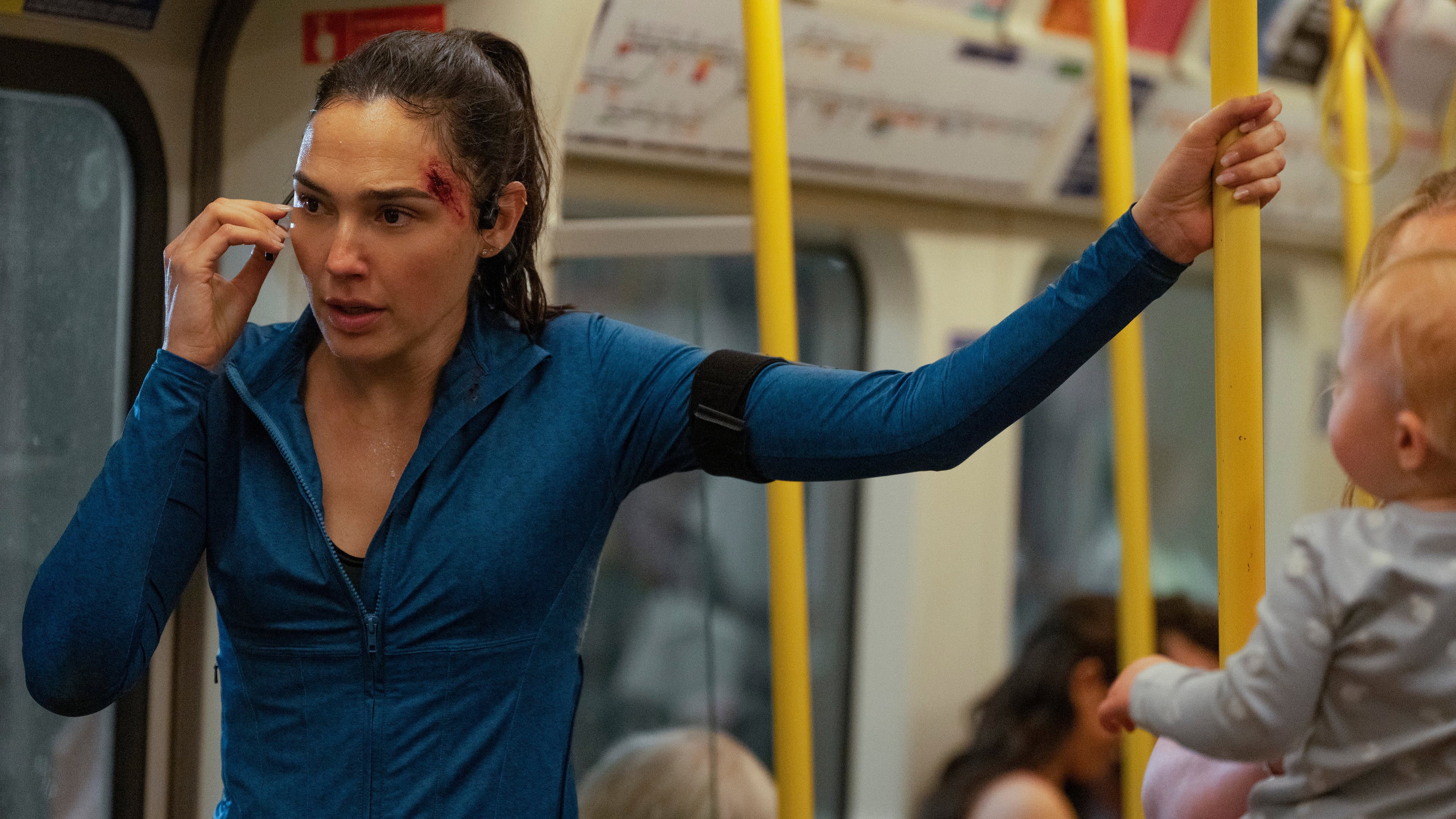
Maia Marten (Gal Gadot) is a prosecuting attorney in London, sharp, controlled, the kind of woman who has her whole life scheduled down to the minute. She drops her son Noah off at school, heads out for her usual morning run before a major court appearance, and that's when everything breaks. Her phone rings, and it's Noah's number, except it's not Noah on the line. It's a man (voiced with zero enthusiasm by Damian Lewis) who says he's got her son, and the only way she sees him alive again is if she does exactly what he says.
What he wants is for Maia to stop his former boss, a crime lord named Tommy Boyd, from getting convicted. The plan hinges on a witness who's about to testify against Boyd, and the caller needs that witness dealt with before he reaches the courthouse. To keep Maia compliant, he tells her he's tracking her through her phone's location, which means she has to stay outside, in the open, moving the entire time. That's the drive of the movie: a woman running roughly five miles across the city in under an hour, dodging trains, losing her phone, getting jumped, all while unraveling secrets from her own past along the way.
The talent behind the camera
This isn't some straight-to-streaming quickie made by people with nothing to lose. Kevin Macdonald directed this, the same guy behind The Last King of Scotland and a string of acclaimed documentaries, and his eye for tension usually shows. Behind the camera is Anthony Dod Mantle, a cinematographer with a proper track record for making a city feel alive and dangerous on screen. Mark Gibson wrote the script, and the whole thing was shot on location, moving through actual London streets rather than a studio backlot standing in for one.
So this isn't a case of nobody trying. London looks great in this too, all quick colorful bursts of tube stations, back alleys, and busy streets that give the chase some texture. But talent behind the camera doesn't automatically fix a script that keeps asking you to swallow more than you can chew.
The rest of the cast
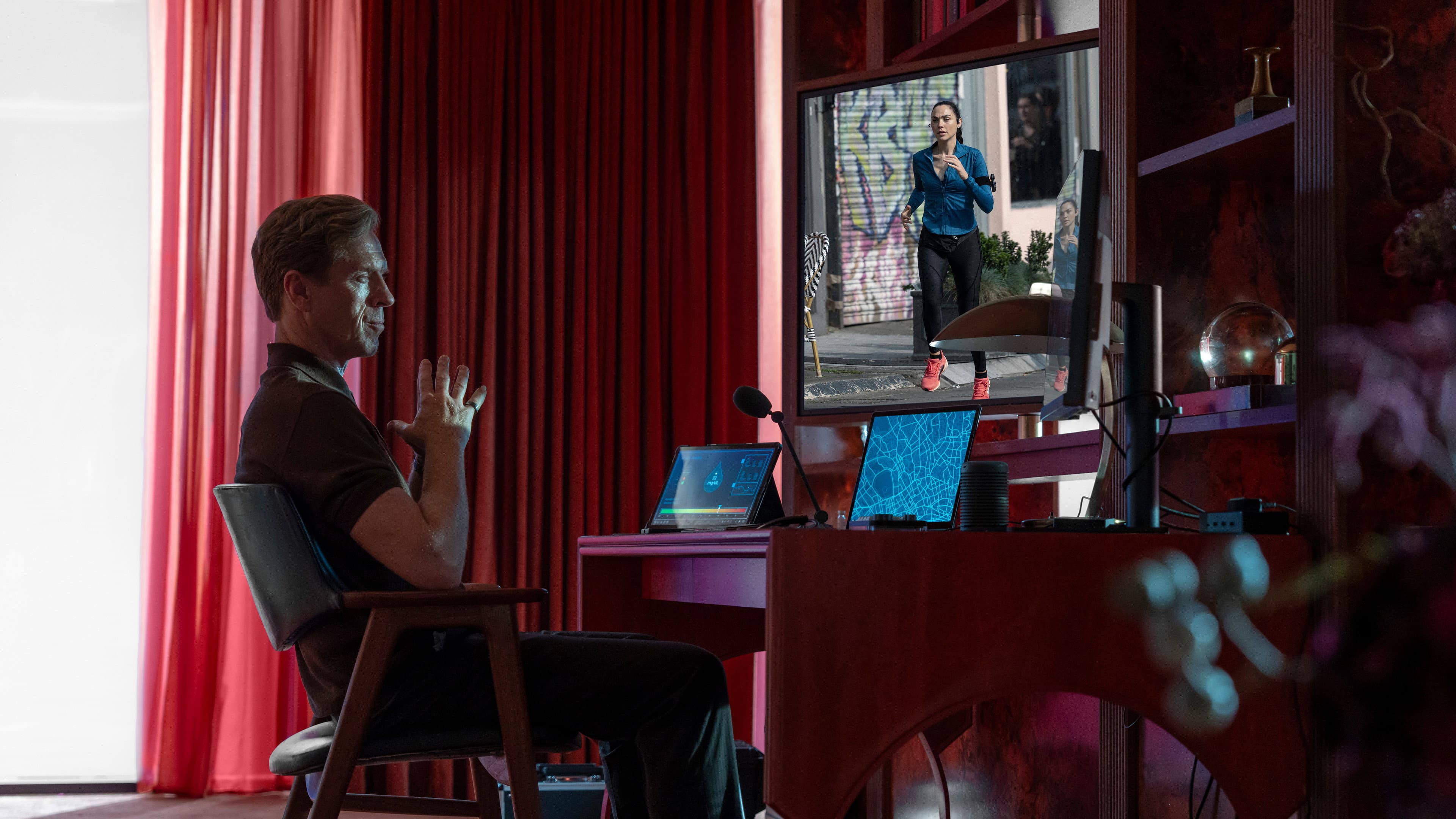
Damian Lewis plays the voice on the phone, credited only as "the Caller" since we never actually see his face until much later. He's a decent actor, Homeland and Billions fans know this already, but there's barely anything for him to do here beyond reading menacing lines down a phone line. A few reviewers pointed out that he sounds like he's just collecting a paycheck, which tracks, because the character has no dimension beyond "ominous voice giving orders". Alfred Enoch shows up in a supporting role tied to the case Maia is prosecuting, and young Rory Wilmot plays Noah, the kidnapped son whose diabetes becomes a plot device more than once, since the kidnapper threatens to withhold his insulin if Maia doesn't comply. It's a cheap way to raise the stakes, and it works in the moment, but it's also the kind of shortcut that tells you the script wasn't confident enough to build tension through character alone.
A hit despite the reviews
Here's the part that makes The Runner an interesting case study rather than just another bad movie nobody talks about. Despite the brutal critic scores, it reportedly became Prime Video's most-watched movie globally in its opening stretch. Streaming services love to point at numbers like that as proof the reviews don't matter, and in this case they might have a point, at least commercially. Gadot has a massive built-in audience from her Wonder Woman years, action thrillers are consistently one of the best performing genres on streaming platforms, and Prime Video has already proven with shows like Reacher that audiences will show up for straightforward, no-frills action content even when critics roll their eyes.
So there's this weird split screen happening with The Runner. On one side you've got critics practically racing each other to hand out the lowest score of Gadot's career. On the other you've got millions of people pressing play anyway and, based on the audience scores sitting noticeably higher than the critic scores, a decent chunk of them walking away entertained rather than furious. That gap between what critics thought and what regular viewers experienced is honestly more interesting to me than the movie itself.
Where it falls apart
The thing about deadline thrillers like this is that they run on the audience agreeing to suspend disbelief. Fine, that's the deal you sign up for. But The Runner cashes that check about six times too many. A pentathlete-turned-lawyer sprinting five miles through central London traffic in under an hour while dodging the cops, losing and regaining her phone multiple times, outrunning a moving train, and still having enough breath left to cross-examine her own trauma along the way? That's just asking a lot from people who've already given you their evening.
The reveal about who's really behind everything, the emotional gut-punch meant to land near the end, the moment where Maia has to choose between doing the right thing and saving her son, none of it surprises you. The film wants you gasping but instead you're just watching the clock, waiting for it to catch up to where you already are mentally.
Critics landed on the same problems. Variety's review said the film lacks the tension or originality needed to lift an overly familiar idea off the ground, and also took a shot at Gadot's performance, saying she leans on athleticism more than warmth or personality. The New York Times called the whole thing unimaginative. Rolling Stone's former critic Peter Travers kept his take short and blunt, more or less telling readers to skip it entirely if someone suggests watching it with them.
The Gadot factor
Now here's where I have to be honest about something, because it's the elephant in the room whenever this movie comes up online. A lot of the noise around The Runner isn't just about the plot holes or the pacing. It's tangled up with Gal Gadot herself, specifically the ongoing controversy tied to her public stance on Israel, the IDF, and everything that's happened in that region over the past couple of years. Some critics have openly wondered out loud whether her political position colored how harshly her performances get judged, and it's not the first time this has followed her. Her Snow White remake earlier actually got hit with an official IMDb disclaimer after unusual voting activity was detected on the title, with outlets reporting the backlash was tied partly to controversy around its lead stars.
To be fair to the people upset about Gadot, I get where that frustration comes from, that's a real and valid conversation to have, and I'm not going to pretend it exists in a vacuum. But calling The Runner the worst movie of the year because of who's starring in it is a massive stretch, and honestly it does a disservice to actual bad movies that deserve that title on merit alone. The Runner isn't a disaster. It's not even close to the worst thing Amazon put out this year. Yes it's predictable, a bit much, and it leans too hard into style over substance, but worst of the year is review-bombing energy dressed up as film criticism.
And let's be real about something else too: I'm not pretending Gal Gadot is some acting powerhouse. Her range has never been the selling point, not in Wonder Woman, not in Fast and Furious, not here or anywhere else. What she brings is physicality and screen presence, and to her credit, the running itself looks convincing. She trained, it shows, and whatever else you think about the script, you can't say she phoned in the physical performance.
With a tighter script and a little more restraint, The Runner could have been solid late-summer popcorn entertainment. The pieces were there: a capable director, a cinematographer who knows how to shoot a city, a lead who trained hard and looks the part, and a premise with real potential for tension. Instead it plays like a very expensive showreel, gorgeous to look at, thin the moment you start asking it basic questions. It's not the worst movie of the year, not even in the conversation honestly, but it's also hard to call it anything more than a paycheck for everyone involved.
PS: A grown woman with pentathlon training tries to outrun a moving train on foot in this movie. I need Amazon to sit down and rethink some of these scripts before they green-light the next one.