
Spotlight
Ramin Djawadi Is Underrated: The Composer Behind GoT
He scored Game of Thrones, Westworld, Prison Break and Person of Interest, and most people can't name him. Why Ramin Djawadi is criminally underrated.
July 26, 2026 · 4 min read
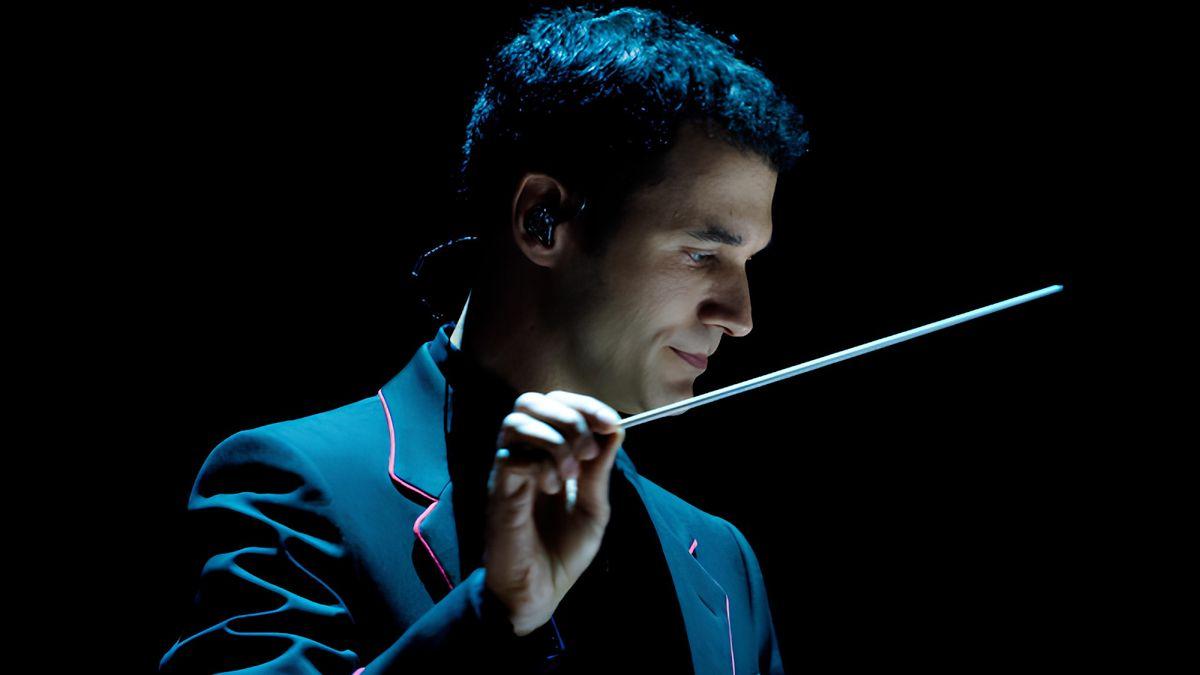
Last year I rewatched Prison Break for the first time since I was a kid. Last week I finished Westworld Season 3, and now I'm mid-binge on Person of Interest. Three completely different shows, three completely different moods, and the same name kept showing up in the credits.
Ramin Djawadi. You've probably heard his music without ever putting a name to it, or hummed one of his themes in the shower. I needed to write about him.
What does his music sound like?
Djawadi doesn't sound like one thing. He trained on guitar and studied film scoring at Berklee, and that guitar background shows up everywhere, even in mostly orchestral or electronic scores. He builds a theme out of almost nothing, a few notes and a texture, then layers it until it's massive. The Westworld theme starts with unsettling little piano notes and grows piece by piece, the same way the show's robotic hosts get built in the opening credits. He thinks about sound the way a director thinks about a shot.
He also isn't afraid to mix eras. Westworld throws Radiohead covers and old saloon piano next to full orchestra, and it works because he understands tone before he understands genre.
His Range
His catalog barely makes sense as one person's work. Iron Man. Game of Thrones. Prison Break. Person of Interest. Pacific Rim. Westworld. House of the Dragon. Fallout. That's a superhero movie, high fantasy, a prison break thriller, a paranoid surveillance drama, a giant robot movie, and a post apocalyptic video game adaptation. Djawadi treats every project like it needs its own language, then builds one from scratch.
Person of Interest needed something cold and paranoid, all clipped strings and a sense that someone's always watching. Prison Break needed tension that could hold for an entire episode without breaking. Game of Thrones needed to carry both a wedding and a massacre in the same season. A lot of composers have a signature sound they lean on no matter the project. Djawadi has a signature process, and the sound changes every time.
The Underrated Factor
Fun fact: Ramin trained directly under Hans Zimmer. He started out maintaining audio equipment in the "machine room" at Remote Control Productions and worked his way up to writing some of the most recognizable TV themes of the last two decades. He's won two Emmys back to back for Game of Thrones, and casual viewers still mostly think of him as "background music," if they think about him at all.
He's scoring video games, animated movies, and prestige dramas in the same stretch of years, and he's been putting in quiet work for two decades. Most people couldn't pick his name out of a lineup despite having his music stuck in their head, and that's criminal.
The Scene Stealer
Everyone points to the Game of Thrones theme, and sure, it's massive: ten seconds in and you know exactly what show you're watching. But the hype around that show does a lot of heavy lifting. Listen to the Westworld theme with fresh ears and it's just a better piece of music. That slow, unsettling build from lone piano notes into a full orchestral wall says more with restraint than Thrones ever needed to. Prison Break's score doesn't get enough credit either. It carried entire episodes of tension without a single lyric, which is its own kind of iconic.
If I had to pick one moment, it's Westworld's reworking of "Paint It Black" into a full orchestral shootout piece. Turning a song everyone already knows into something that hits completely different in context takes a composer who understands storytelling, not just music.
CineInks Recommends
If you're just getting into his work, start here:
- The Entry Point: Westworld. Yes, over Game of Thrones. It's the score that shows off what he's capable of, instead of just being the one everyone already has memorized.
- The Deep Cut: Person of Interest. It's colder, tighter, and way less discussed than his fantasy work, and it might be some of his most disciplined writing. If you want to hear what he does when the assignment is tension instead of spectacle, this is it.