
Spotlight
Neil Breen Movies: The King of Indie Delusion
A former Las Vegas architect writes, directs, scores and stars in every one of his own movies. Why Neil Breen became the internet's favorite accidental auteur.
June 7, 2026 · 7 min read
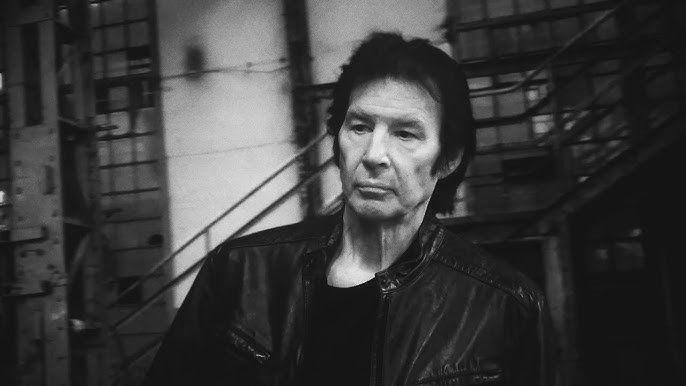
Neil Breen was a licensed architect in Las Vegas who decided the world needed to see the movies living inside his head.
He writes, directs, produces, edits, scores, handles catering, and stars in every one. His website calls him "The most independent filmmaker in the world." Since 2005, he's made a string of low-budget, deeply surreal sci-fi thrillers that built one of the most passionate cult followings in modern cinema. Today, the Spotlight belongs to him.
Where did he come from?
Breen also spent a stretch as a real-estate agent on the side. No film school, no industry connections. He's said outright that he has no interest in what he calls the "Hollywood insider's group." He funded his first three films from his own architecture income, and once the fanbase caught on, they started funding the later ones. He's also claimed in interviews to hold a master's in computer science and a PhD in quantum physics. There's no way to verify either, and that's kind of perfect: a man who builds his own mythology with the same confidence he builds his movies.
What makes him so magnetic?
Neil Breen can't act in any conventional sense. His line deliveries are flat, his expressions hover somewhere between "deep in thought" and "just remembered he left the stove on," and his screen presence is that of a man who's been told what emotions are but has never experienced them. And yet you can't take your eyes off him. There's something magnetic about watching a person this committed to a vision only he can fully see. That total absence of self-awareness is somehow more compelling than any polished Hollywood performance. You squint and ask, "Wait, is he... is he serious right now?" He is always serious. That's the magic.
There's no range. Neil Breen plays Neil Breen in every film, with almost frightening conviction. If the script calls for him to stare at a laptop that's very clearly switched off while "hacking" government secrets, he'll stare at that blank screen like it owes him money. If it calls for emotional devastation, he delivers it with the energy of a man reading a grocery list. And every time, it works in its own unhinged way. He has never once second-guessed himself on camera, and there's something almost admirable about that.
What are his movies about?
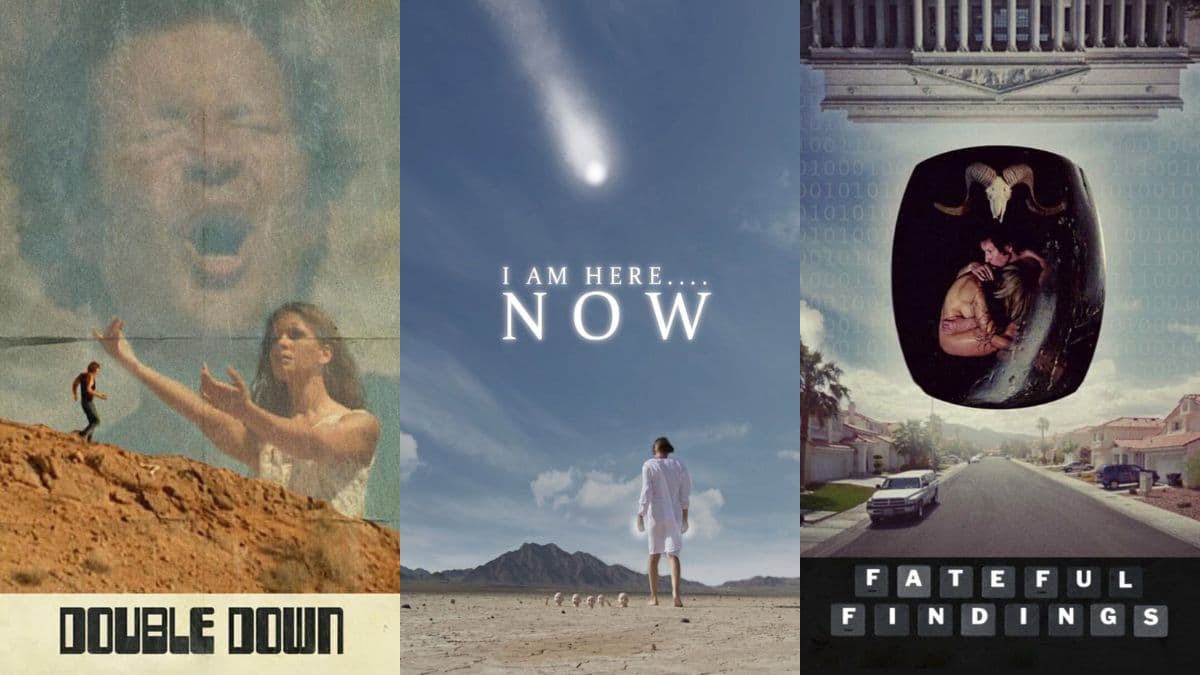
Breen's project selection strategy is simple: he makes Neil Breen movies. In every one he plays a mysterious, solitary protagonist with supernatural powers, usually a hacker or a messianic figure, who is deeply disappointed in humanity and ready to do something about it.
It started with Double Down (2005), where he's a lone computer genius named Aaron Brand in the Nevada desert. Then I Am Here...Now (2009), where he plays the literal creator of mankind, walking through Las Vegas because he's fed up with human sin. Then Fateful Findings (2012), where a magic rock turns him into a hacker who exposes government corruption. Then Pass Thru (2016), where he's an artificial intelligence from the future who wipes out 300 million corrupt people to bring about world peace. He names himself Thgil, "light" spelled backward, after seeing a discarded pack of Light & Fit yogurt. That detail tells you everything about how this man's brain works.
Then it escalated. In Twisted Pair (2018) he plays identical twin saviors Cade and Cale Altair, secret agents abducted by aliens as kids and turned into humanoid weapons. One fights for good, the other spirals into addiction and corruption, and Breen plays both with the same flat, unblinking conviction. It reportedly played in over fifty cities, so he made a sequel, Cade: The Tortured Crossing (2023), which won Best Fantasy Film and the People's Choice Award at the Hollywood Reel Independent Film Festival before a theatrical run through Alamo Drafthouse locations nationwide. As of this year, he's touring a new film, Dire Duplicity, which just played a sold-out run at a Los Angeles film festival, where he picked up an Honoree Award for Contribution to Cinema. He's in his late sixties and still doing this by himself, on his own terms.
There's no irony in any of it. He's not doing a bit. He believes these are the stories that need to be told, with increasingly elaborate doubles of himself.
How did he become a cult figure?
Breen's internet infamy didn't happen all at once. The first real audience came from Hadrian Belove, head programmer at LA's Cinefamily arthouse, who screened Double Down as a secret free showing in 2010 and brought Breen out for a live screening of I Am Here...Now the following year. Fateful Findings then premiered at Harry Knowles' Butt-Numb-A-Thon, an invite-only 24-hour genre film marathon, in December 2012, and reportedly stole the whole event.
But what broke him wide open was a RedLetterMedia review. Their YouTube series Best of the Worst tackled Double Down, and host Rich Evans trying to narrate his way through the plot is widely credited as the clip that pushed Breen into full internet cult status. Outlets like The Cinema Snob and YourMovieSucks piled on, and Breen leaned all the way in. His fans now crowdfund his films instead of him draining his architecture savings.
He's also oddly specific about how theaters present his work. One arthouse owner who hosted a Pass Thru screening shared that Breen asked that the film not be advertised with the word "cult" or compared to Tommy Wiseau, that no trailers play beforehand, and that no student discounts be offered. A man who built his whole career outside the studio system, still setting firm rules about his own brand. Respect the hustle.
Is he underrated?
The mainstream dismisses Neil Breen as a bad filmmaker, and on a purely technical level that's hard to argue with. But that take misses that he's an outsider artist, and critics have compared his work to outsider art for exactly that reason. He's not chasing critical approval, even though Cade: The Tortured Crossing actually picked up an award. He's making the movies he wants, with a level of creative freedom most Hollywood directors will never experience. That the films work as accidental comedy doesn't diminish it. If anything, it makes his story more interesting.
What's the scene stealer?
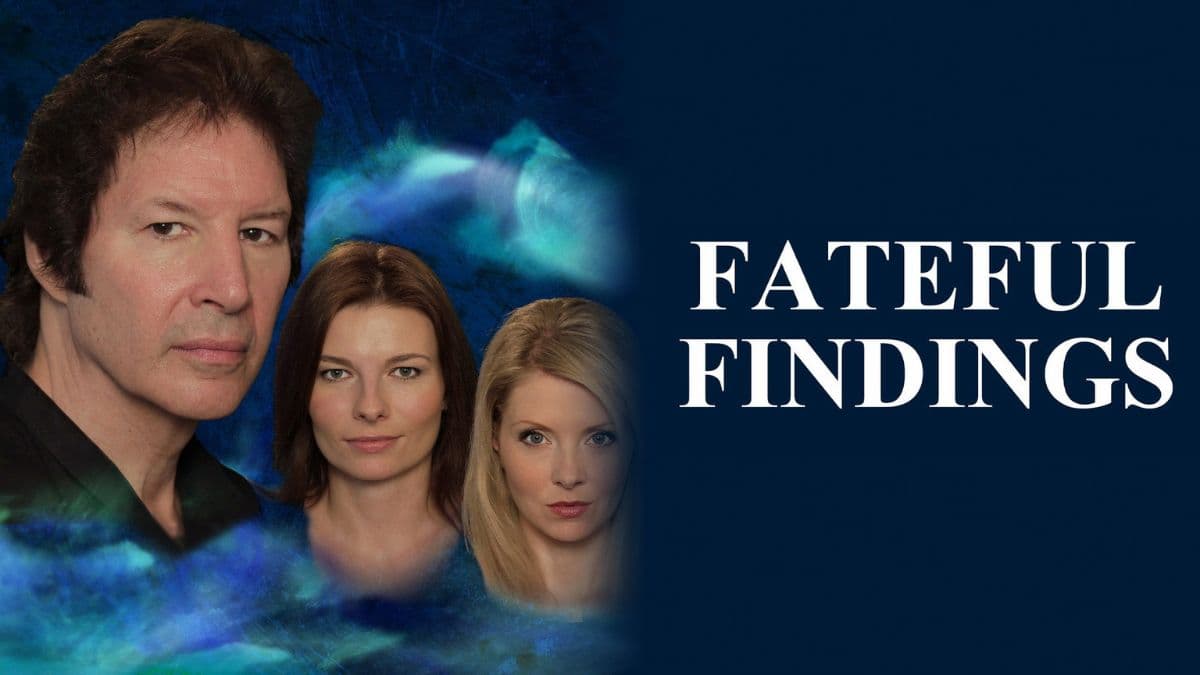
Fateful Findings (2012) is the film that broke Neil Breen to a wider audience, and one scene sealed his cult icon status. Near the climax, Dylan (Breen) stands in front of the National Archives Building and holds a press conference exposing what he calls the most secret government and corporate secrets in the country. Sitting members of Congress and corporate executives react by pulling out guns and shooting themselves, one after another, while the crowd applauds. The bank president, for reasons the film never explains, announces his resignation moments before his own suicide attempt. Then a camouflaged sniper takes aim at Dylan, and Dylan deflects the bullet out of the air using the psychic powers from a magic rock he's carried since childhood.
The staging is chaotic, the delivery is robotic, and your brain can't process it in real time. It's where Fateful Findings stops being just a bad movie and becomes a piece of accidental art you'll never forget.
CineInks Recommends
- The Entry Point: Start with Fateful Findings (2012). It introduced most of the world to Breen's particular brand of chaos, and for good reason. The plot involves magical childhood rocks, government hacking, a drug-addicted wife, a neighbour's very attentive teenage daughter, and a climax that will rewire your brain. Watch it with friends. Watch it loud. You'll need witnesses.
- The Deep Cut: Once you're ready to go deeper, find I Am Here...Now (2009). Breen plays the literal creator of mankind, walking through Las Vegas and passing judgement on sinners. It's quieter, weirder, and somehow even more sincere than Fateful Findings, with scenes of him wandering the desert in a robe that feel pulled straight from a fever dream.
- The Budget Upgrade: Twisted Pair (2018), the one where he plays his own evil twin. It's the closest thing this man has to a budget upgrade.
Do I lose brain cells watching his films? Yes. Do I care? No.