
Thoughts
Is Breaking Bad Worth Watching? Yes, Give It to Season 3
Is Breaking Bad worth watching? The first seasons are slower than the hype suggests. Why Walt, Jesse and Gus Fring make Season 3 the turning point.
April 28, 2026 · 7 min read
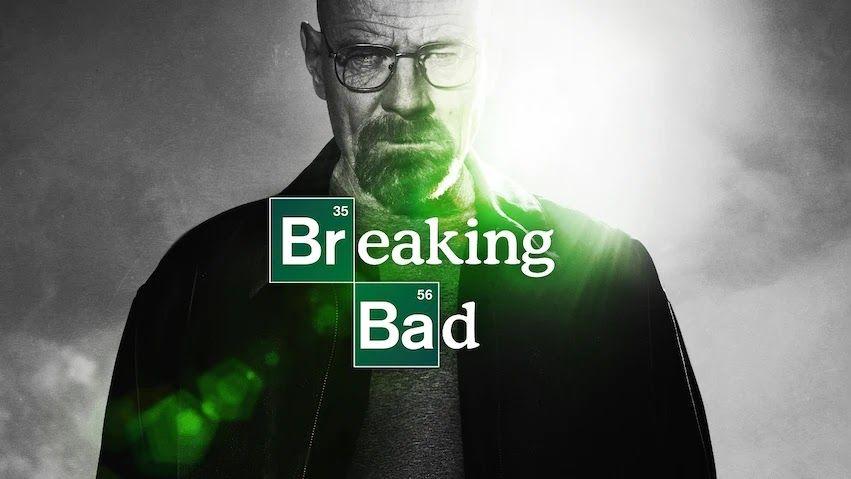
Everyone told me Breaking Bad was the best show ever made. Then I sat through Season 1 watching Walt deal with a school bully, and I wondered if the internet had lied to me.
It hadn't, exactly. The show does become everything people promised. But the gap between the hype and those first episodes is real, and it's worth talking about.
This post contains spoilers for AMC's Breaking Bad.
Breaking Bad's ratings: let's look at the numbers
Breaking Bad sits at 9.5 out of 10 on IMDb, one of the highest scores any TV show has ever gotten. Rotten Tomatoes has it at 96%, and regular viewers rated it even higher at 97%. The Irish Times even said it holds a Guinness World Record for being the most critically loved show of its time.
Season 5 Episode 14 (Ozymandias) was the only episode of TV with a flat-out perfect 10/10 on IMDb for 13 years, and Rolling Stone put it at the top of its 2024 list of the greatest TV episodes. The score slipped to 9.9 in early 2026, but only because a fandom war with a newer show led to a bunch of coordinated low ratings. On paper, this show is untouchable. The real question is whether it feels that way while you're watching.
So what's the show actually about?
Breaking Bad ran on AMC from January 2008 to September 2013, five seasons total. Walter White is a high school chemistry teacher in Albuquerque who finds out he has terminal lung cancer and starts cooking meth so his family isn't left broke. He brings in his old student Jesse Pinkman, and what starts as a desperate move slowly turns darker, because Walt is really, really good at being bad.
Vince Gilligan's pitch was famously simple: turn Mr. Chips into Scarface. He wanted to show a full moral collapse, step by step, without skipping anything. That's the best and most frustrating thing about the show, depending on where you are in it.
Walter White's slow fall is the whole point
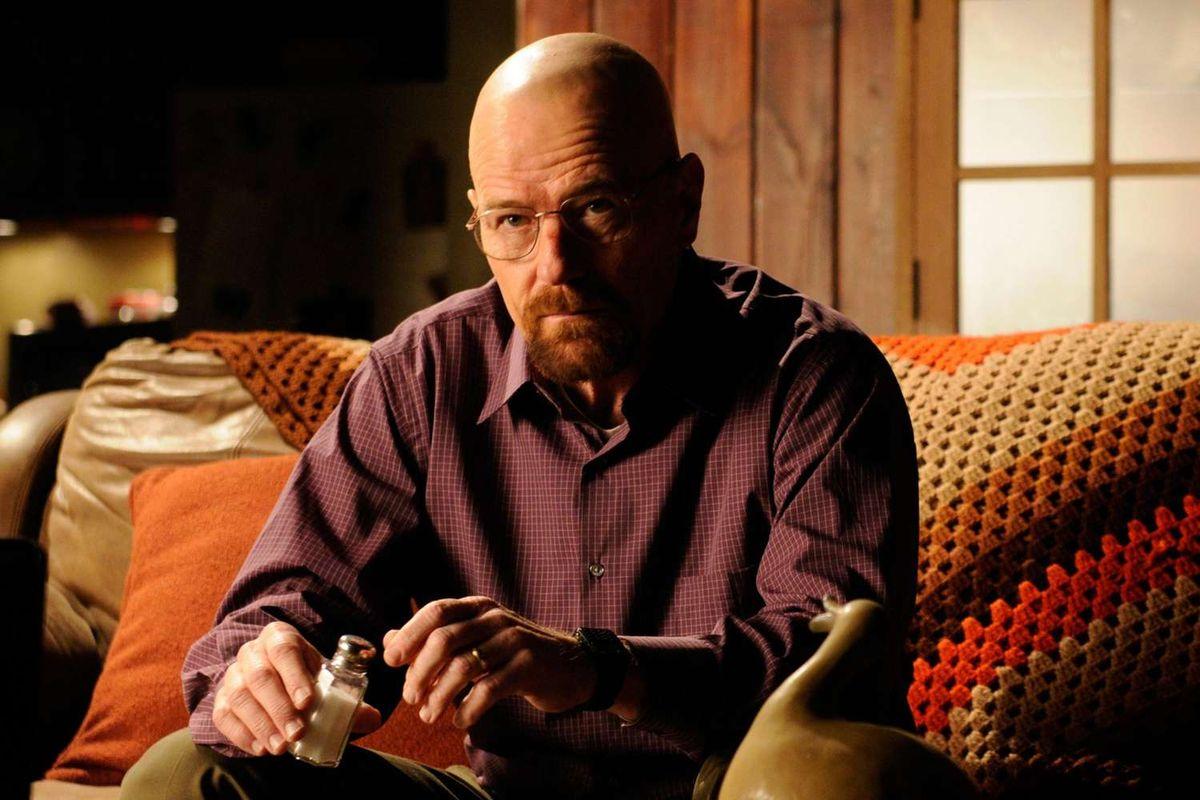
The reason people can't stop talking about this show is Walt. At the start you actually feel for him. He's underpaid, disrespected, working two jobs just to get by, and clearly smarter than the life he's stuck in. Then he gets a cancer diagnosis and finds out his family will be financially wrecked. You get why he makes that first bad call. You might even be on his side.
But the show isn't asking "why did he start doing this?" It's asking "when did he stop being the victim?" In Season 4, "I am the one who knocks" is Walt flipping the script on Skyler and using fear to control her instead of protecting her. Then the finale gives you the real answer: "I did it for me. I liked it. I was good at it. And I was really... I was alive." He wasn't doing any of this for his family. He did it because it made him feel powerful after years of feeling small, and the cancer was just the excuse. Watching a guy justify every terrible thing he does, one step at a time, is weirdly gripping television.
Jesse Pinkman is why you keep watching
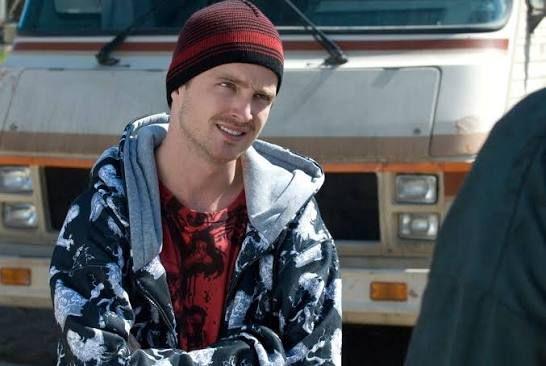
Walt is fascinating, but he's not really likeable, and the show knows that, which is why Jesse exists. Jesse is the heart of the whole thing, the one who still has a conscience after Walt's has checked out. Walt buries everything under excuses and ego. Jesse feels every bit of it and falls apart. As Walt becomes less and less someone you can root for, Jesse becomes the guy you actually want to see make it out okay.
The Gus Fring effect
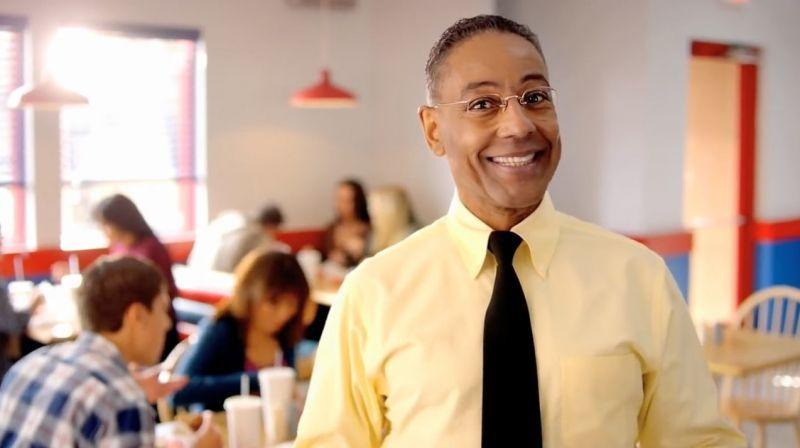
Ask any Breaking Bad fan when the show really clicked for them, and most will say when Gus Fring showed up. Played by Giancarlo Esposito, Gus runs a chicken restaurant chain called Los Pollos Hermanos as a front for his meth operation, while staying so squeaky clean publicly that he's friendly with the local DEA. He's polite, professional, and smiles at his customers.
Then in the Season 4 premiere, without saying a word, he slits a guy's throat with a box cutter right in front of Walt and Jesse, just to prove a point. He calmly takes off his hazmat suit, cleans up, and asks if anyone needs medical help. It's scarier than any loud villain moment because of how cold it is. The message is clear: I am more disciplined than you, I am more patient than you, and I can ruin you whenever I decide to. Esposito has said he made a point of not playing Gus as a stereotype, leaning into the fact that real people have light and dark in them. That choice is why it works. His arrival in Season 3 is when the show goes from "really good" to "that show everyone won't shut up about."
Does Breaking Bad have a slow start? Yes
The first two seasons ask a lot of you. Even critics agree Season 1 is the weakest part. It sits at 86% on Rotten Tomatoes, which sounds great until you compare it to the near perfect scores of the later seasons. Early on it feels more like a suburban family drama than a crime thriller: Walt and Jesse fumbling through their first cook in a janky RV, long stretches of tension between Walt and Skyler at home. Season 1 also got cut short by the writers' strike, so it only has seven episodes and never builds to a proper climax.
The early seasons aren't bad. On a rewatch they're kind of chilling, because every small selfish choice Walt makes hits differently once you know who he becomes. But on a first watch, with the internet telling you this is the best show ever made, you're sitting in Season 1 watching Walt deal with a school bully, wondering if everyone online lied to you. The show does become everything people promised. But the gap between the hype and the early episodes is real, and it trips a lot of people up.
The ending works
The finale gives you what you want without cheating to get there. Walt doesn't get a clean escape or a redemption arc that wipes away what he did. He wraps up his loose ends on his own terms, protecting his family, settling scores, setting Jesse free, and then he dies in the meth lab, surrounded by the equipment he ended up loving more than his own family. Ozymandias had already done most of the heavy lifting, with the deaths, the confessions, and everything Walt built coming apart. The finale just had to bring it in, and it does. Most hyped shows fumble the ending and make you regret the time you put in. This one doesn't, so you don't have to give the "yeah but the ending kind of sucks" disclaimer when you tell a friend to watch it.
So, is it actually the greatest show ever made?
Breaking Bad is well made, with a clear vision, great performances, and a great ending. Watching one man fall apart morally, with no shortcuts, is one of the best things TV has ever pulled off, and it gave us Gus Fring, one of the best villains.
But greatest show ever made? That's where it gets complicated. The reputation the internet has built almost makes the rough early episodes harder to get through, because you're comparing them to a legend they haven't proved yet on screen. I think the greatest show ever probably shouldn't require you to push through a patience test before it becomes the greatest show ever.
Still watch it, just with normal expectations instead of the impossible ones everyone online hands you. It's normal to spend the first couple seasons wondering what the fuss is about.