
Rants
Why Is Gay Romance Always Sad? Media's Suffering Problem
Someone dies, cheats or gets sick. Why is queer joy always on a timer? From The Paradise of Thorns to Elite, plus the shows that got it right.
June 12, 2026 · 5 min read
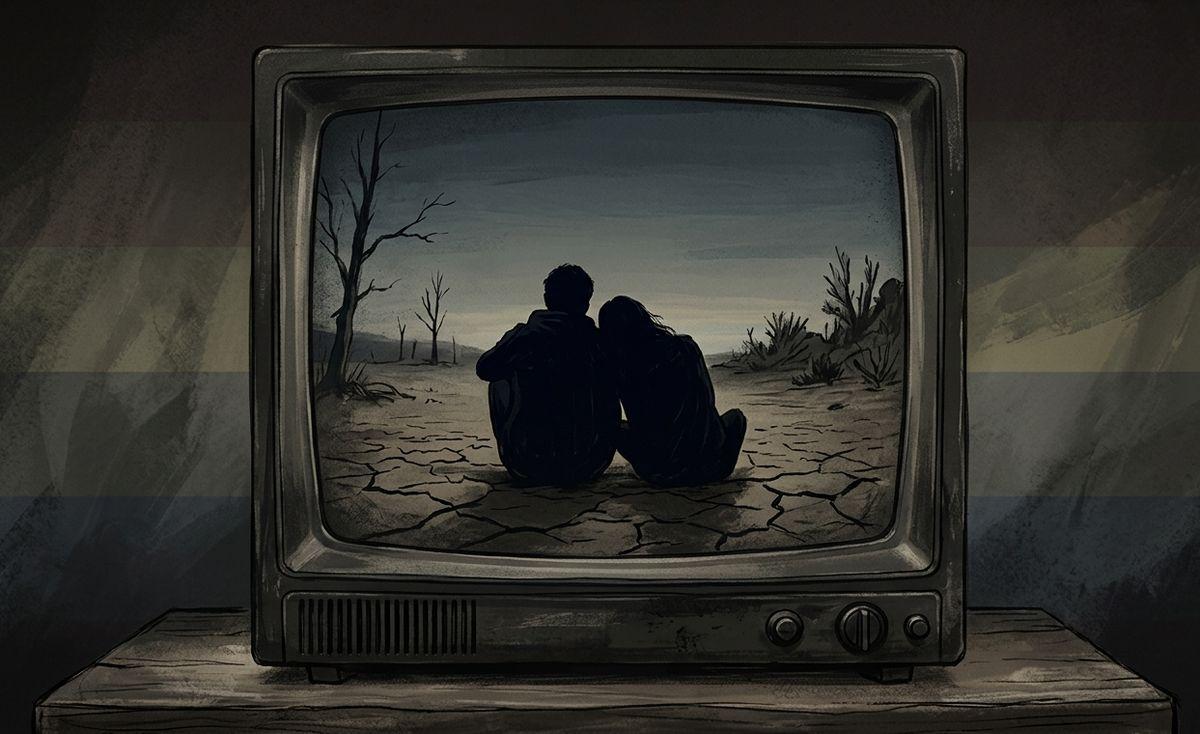
I am so tired of watching queer people suffer on screen and being told the trauma is the "beauty" of the love story.
I've reached the point where I can map the whole plot before the first act ends. Someone dies, cheats, gets a terminal illness, loses their livelihood, or all four. It doesn't have to be this way, and there's proof. So why is misery still the default?
This post contains spoilers for several films and series.
Why does The Paradise of Thorns hurt so much?
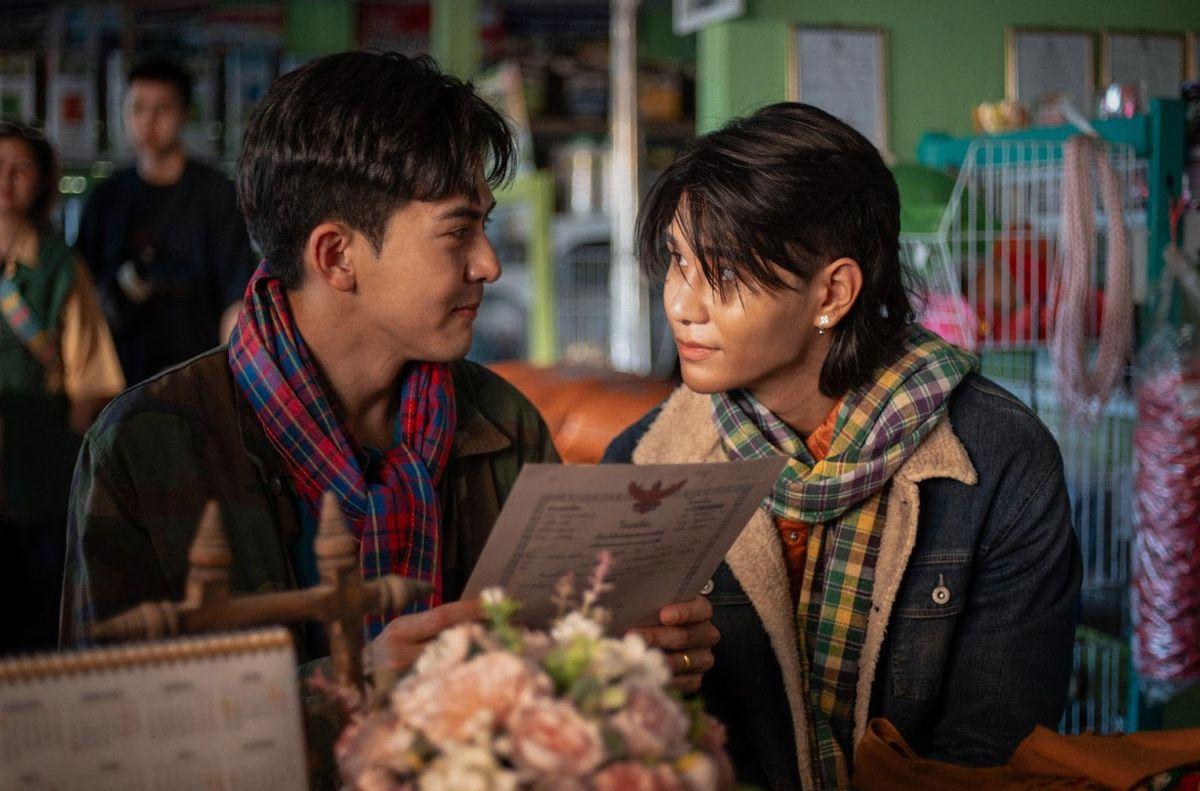
I recently watched The Paradise of Thorns, a 2024 Thai drama about Thongkam and Sek, a devoted gay couple who spend years pouring their savings and effort into a durian orchard. They buy the land, build a home, and plan a future. Then Sek dies in a sudden accident, and Thongkam spends the rest of the film fighting Sek's predatory family for the right to his own home, because same-sex marriage had no legal recognition in Thailand at the time of the story.
The premise comes from real injustice, and I understand the political point. But the film buries Thongkam in suffering, humiliation, and grief for the entire runtime, and by the end I felt like I needed to sit in a dark room for three days. I shouldn't have to emotionally recover from finishing a film. The marriage inequality argument was strong enough on its own without putting this poor man through endless torment.
Compare that to Xavier Dolan's Matthias & Maxime, a Canadian film about two childhood best friends who have to face decades of buried tension after an on-screen kiss. It's not a perfect movie, but it doesn't leave you needing therapy. The climax, Matthias quietly showing up at the airport just as Maxime is about to leave for Australia, is small, unglamorous, and moving without any tragedy.
Why are queer side characters so disposable?
It isn't just the leads. Even in the background, queer characters get treated badly. It feels like writers see gay relationships as a cheap device: a quick way to inject chaos so the straight main plot has something to react to. Once it has served its purpose, the relationship is disposable.
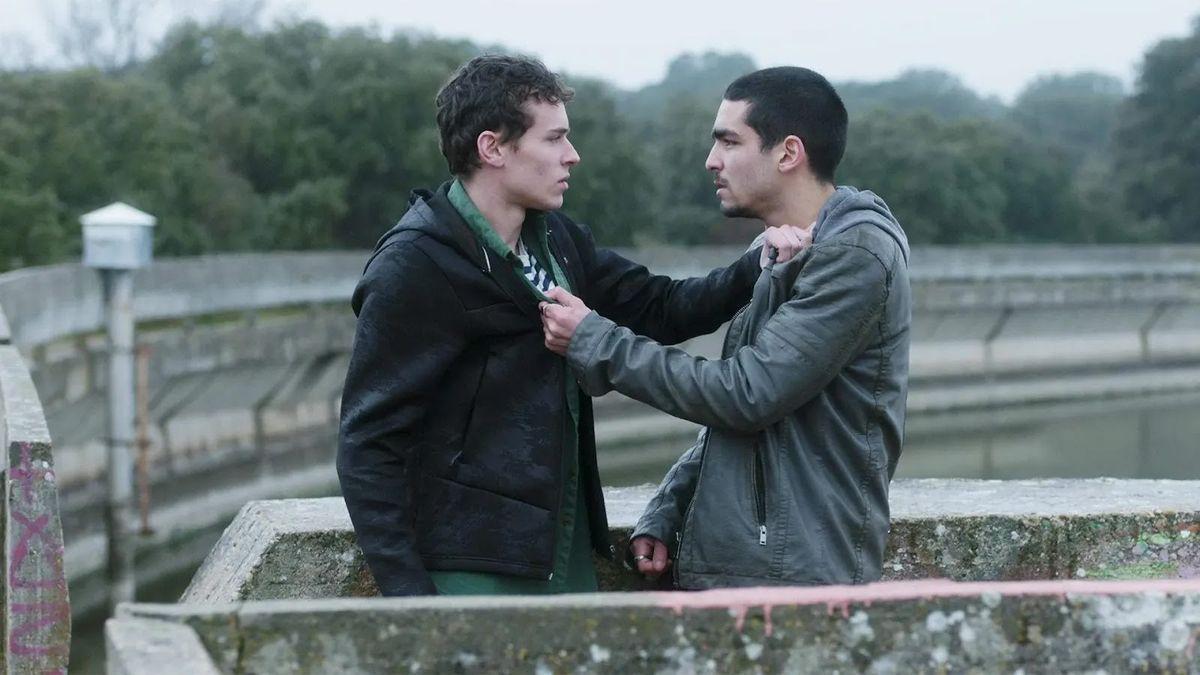
Netflix's Elite is the most infuriating example for me. Omar and Ander had a beautiful, organic build in the early seasons: a closeted young man (Omar) terrified of rejection from his conservative Muslim family, and an incredibly patient partner (Ander) willing to wait for him.
By Season 3, the writers seemingly decided stable love was boring. They gave Ander cancer, had Omar cheat on him during his chemotherapy, and dismantled everything they had built. There was no narrative reason for it. It was chaos for Twitter engagement, and I will never forgive them for it. (More in my full Elite retrospective.)
What does it look like when media gets it right?
Queer stories can work without misery porn, and a handful of them already show how.
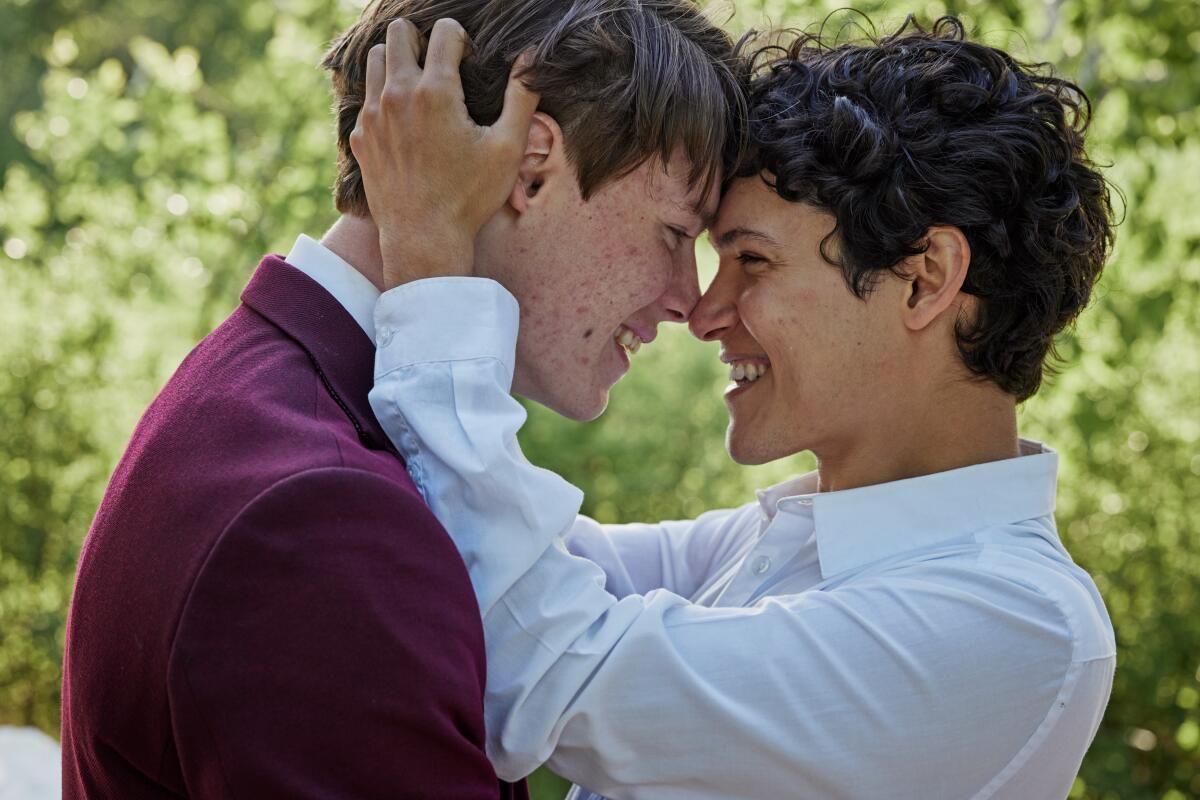
Young Royals (Netflix) is my go-to proof that high-stakes drama doesn't need emotional cruelty. A Swedish crown prince falls for a working-class student at his boarding school, and the obstacles are real: the monarchy, class divides, and a devastating privacy leak. But the story never treats their queerness as the flaw that breaks them. When Prince Wilhelm abandons the royal procession to run after Simon in the finale, it pays off everything they went through.

The Handmaiden (2016) isn't a soft romance, but it belongs here. Sook-hee and Hideko face manipulation, betrayal, and real danger, yet they are never passive victims. They outsmart every predatory man who tries to control them and escape together on their own terms. Their love isn't a source of tragedy. It is what saves them. (It's also #2 on my top 10 movies I've watched in 2026 so far.)
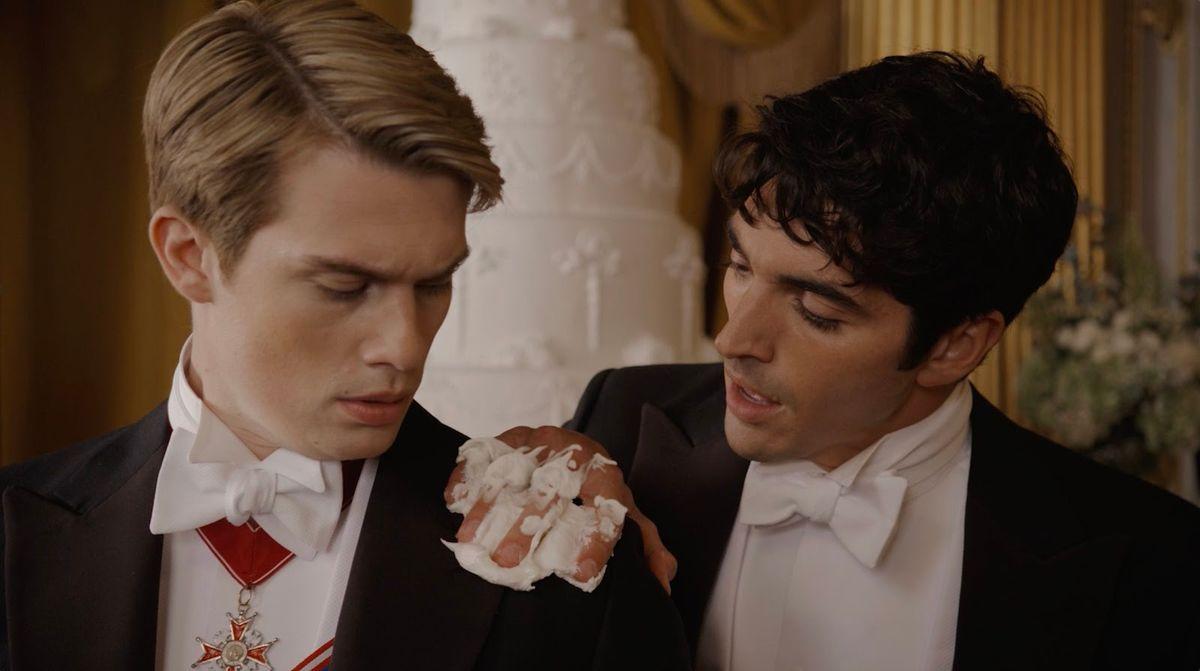
Red, White & Royal Blue (2023) is pure comfort food. The First Son of the United States and a British Prince go from bitter rivals to secret lovers to publicly out and adored, ending with a balcony scene in front of cheering crowds. Is it cheesy? Yes. But nobody gets a terminal illness, nobody cheats, nobody gets destroyed. Sometimes that is exactly what my mental health needs.

I also have to shout out Heated Rivalry (Game Changers Series), a cute adaptation about Shane and Ilya, two rival professional hockey players whose fierce on-ice feud hides a decades-long secret relationship. It takes the reality of being closeted in pro sports seriously, and it still gives them a happy ending. No tragic sacrifices required.
So why is suffering still the default?
Queer relationships in media are written with an expiration date on their happiness. The joy is loudest during the secret, stolen-moment phase, when being queer is still a source of tension in itself.
But the second the characters come out, face their families, and settle into actually being a couple, writers lose the plot. They reach for an affair, an illness, an accident, or a death, because they apparently believe two queer people loving each other and working through ordinary life isn't compelling television.
But it is, and we have seen it work. The excuses are running out.