
Review
Avatar: Seven Havens Review: Great Ideas, Weak Execution
A world that fears the Avatar is a great premise. But flat backgrounds, shaky character decisions and a rushed big reveal kept Seven Havens from landing.
2026 · 13 episodes · Animation, Adventure
October 31, 2026 · 6 min read
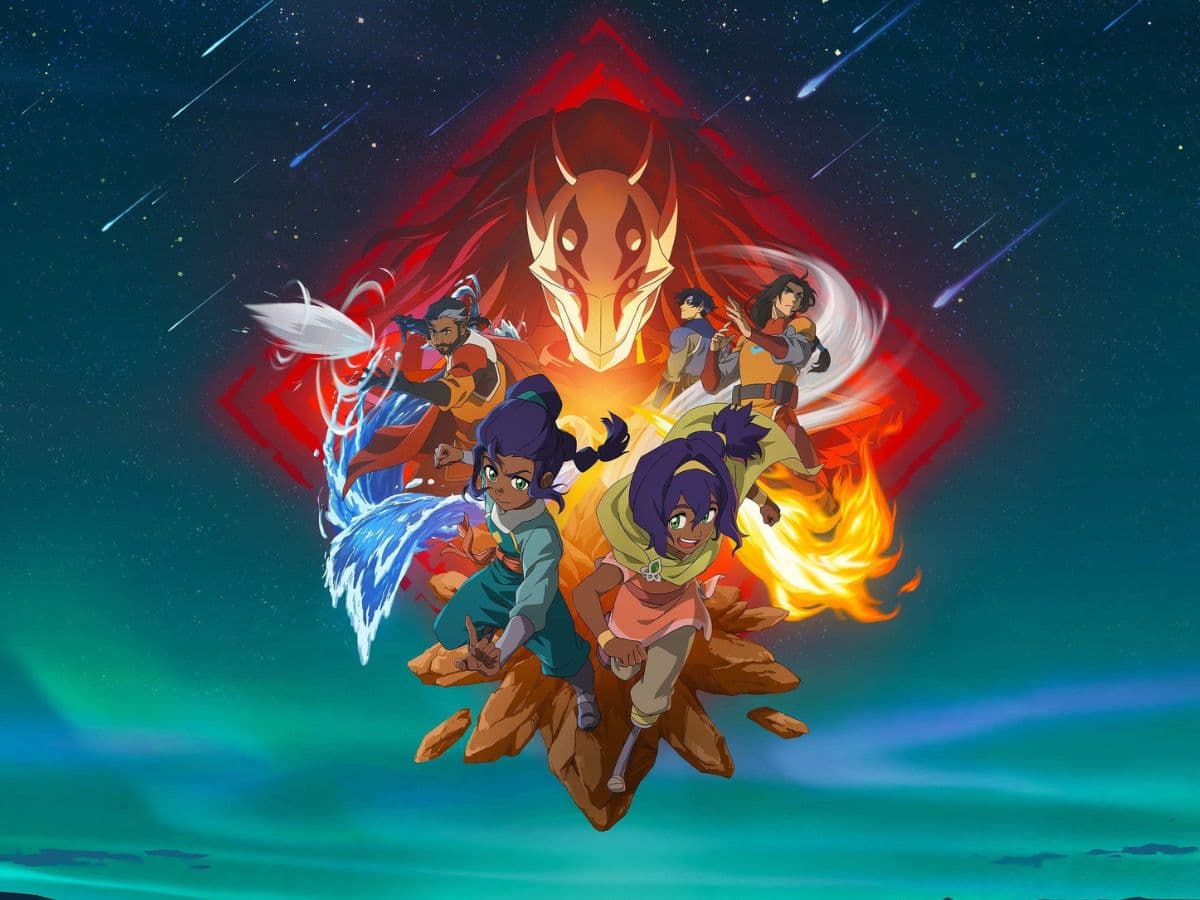
Seven Havens is Nickelodeon and Avatar Studios' new 2D-animated series. It premiered on Paramount+ on October 9, 2026, and critics have been kind to it. I wanted to love it too, but I'm not there yet.
The story follows Pavi (Saheli Khan), a young Earthbender who survives by scavenging and keeping a low profile in a world where benders face conscription and the Avatar is known as The Destroyer. At a festival marking the death of the Avatar, she reunites with her twin sister, Nisha (Aishu Devan).
Across the 13 episodes, I kept feeling a better show was hiding underneath this one. Creators Michael Dante DiMartino and Bryan Konietzko, the duo behind The Last Airbender and The Legend of Korra, clearly know how to build a world. Here it just doesn't always show up on screen.
Major spoilers ahead for the whole season, including the finale.
What Worked
The Premise
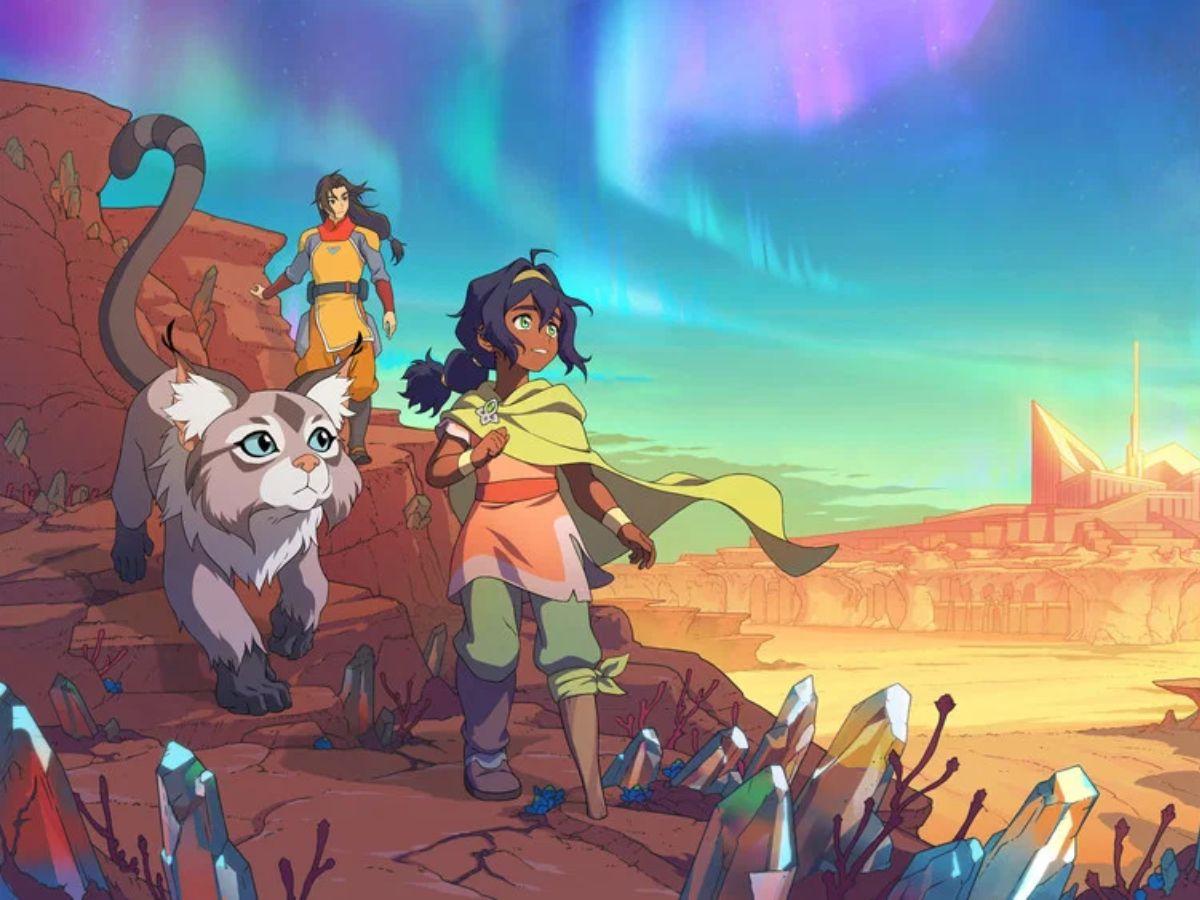
Most records from Korra's era have been lost or destroyed, so people rely on oral accounts that blame the Avatar for destroying the world. The symbol of balance has become something to fear and resent. I like that, because it shows how losing history can warp an entire civilisation's idea of its own past.
Karthik (Akshay Khanna), a commander in Ellora's protective brigade and a White Lotus member, trains the sisters, but they want different things. Nisha wants to protect her Haven and get more involved in its affairs. Pavi doesn't want to be the Avatar and only cares about finding out what happened to their parents. Around them you have the Anomaly, a mysterious crystal that induces fear and irrational thinking, and the Faceless, a rebel group fighting the conscription of benders.
Then comes the summit, where the other Havens gather, everything descends into chaos, and Nisha's identity is exposed. Nobody welcomes her. They turn on her, even after she tries to protect the delegates. Her being the Avatar becomes a political problem instead of a source of authority, and that raises a good question: what happens when the person meant to keep balance isn't trusted by the people she's meant to protect?
I would have loved more on how the White Lotus operates in a world like this, since entire communities now see the Avatar as a threat.
The Finale
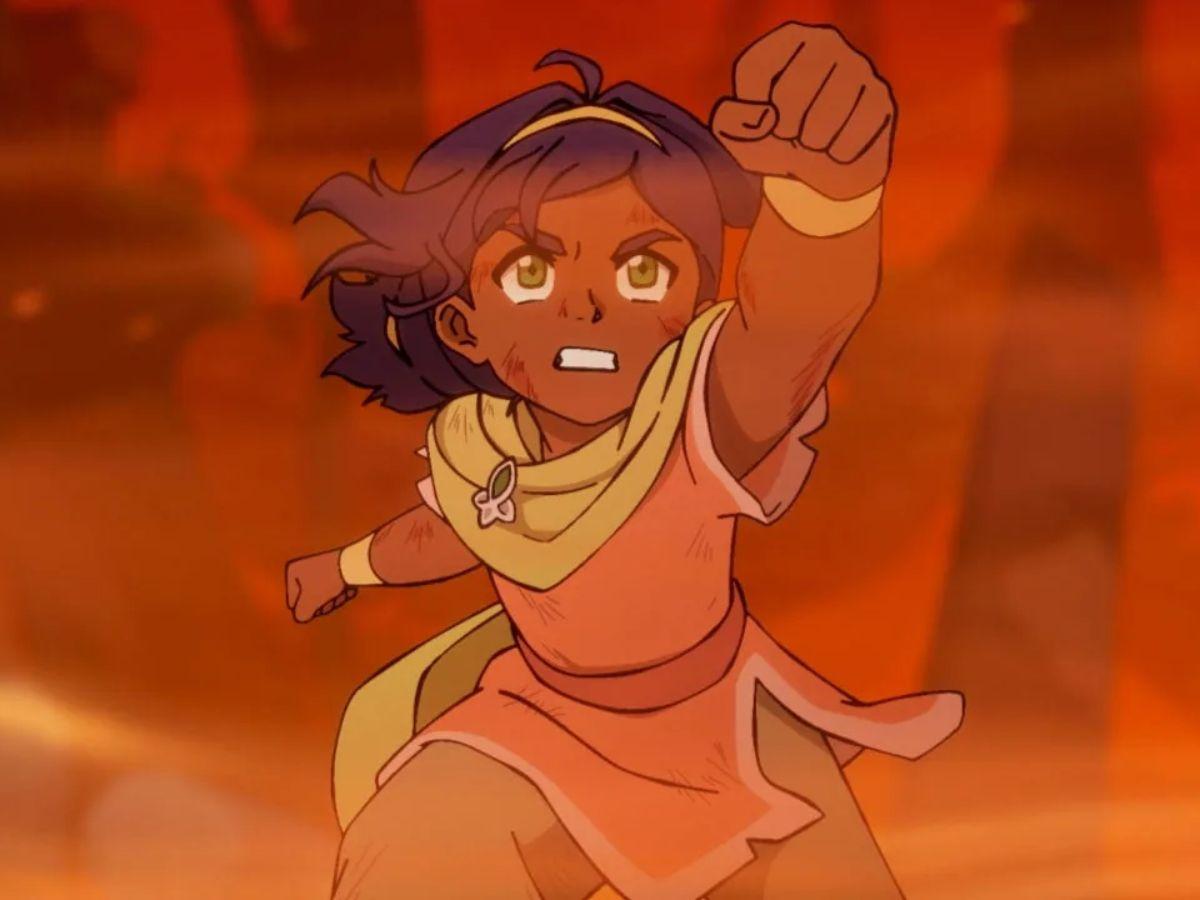
The other thing that worked for me is the twins. All season, they read their parents' disappearance differently. Nisha believes they were abandoned, while Pavi insists there has to be a reasonable explanation. The last four episodes show the truth is more painful than either expected.
Their parents planned to leave with Pavi and leave Nisha behind because they feared her dangerous abilities. Nisha chased after them, and her fear of abandonment helped create the Anomaly. The burst of energy caused a rockslide that apparently killed their parents and injured Pavi.
It's devastating because it changes Nisha. She isn't just a hotheaded girl making reckless choices. She was rejected at a young age and has been carrying it ever since, which makes her far more complicated than a simple villain. Pavi's reaction matters just as much. She doesn't only learn Nisha was involved in their parents' deaths. She learns her sister hid it from her, and her anger makes sense even though the whole situation is tragic for both of them.
My one complaint is that the show doesn't give this enough room. A reveal this big reshapes the relationship, and I wanted the story to sit in the fallout a bit longer before rushing to the next plot beat.
What Didn't
The Character Writing
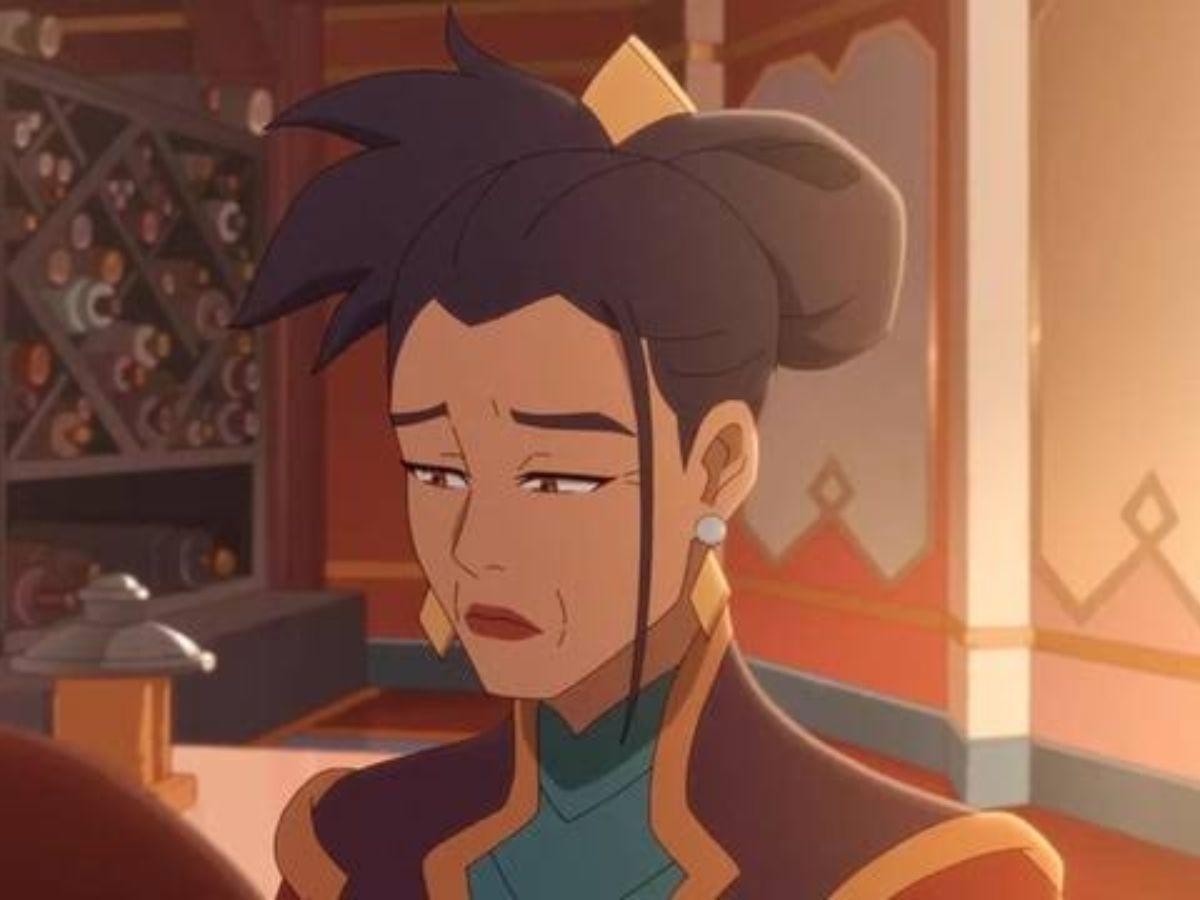
My biggest problem is how the people in charge behave. Kayako, Ellora's governor, is the prime example. She has the Anomaly and the Faceless to deal with, and her answer is to weaponise the crystals against the rebels, which only makes things more dangerous.
I understand the point. Fear clouds judgement, and people who think they're protecting their community can cause more harm. But when a character makes a terrible call, I want to see the internal conflict and the pressure pushing them there, even if I disagree. Without that, the decision feels like a convenient way to move the plot.
The Lifeless Animation
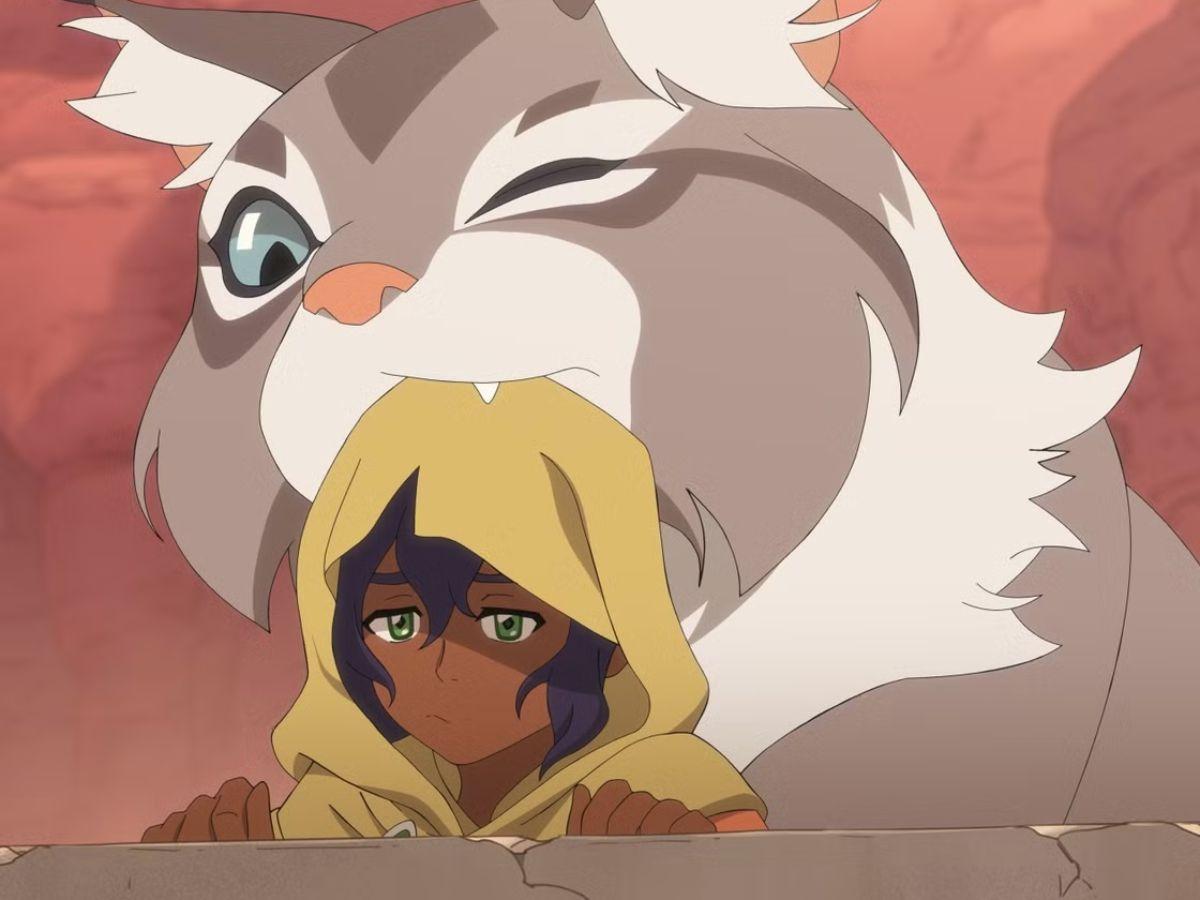
This is my most noticeable technical one. I'm not a fan of the different visual direction, but a new series doesn't have to copy The Last Airbender or Korra. My issue is the backgrounds, which often feel like static illustrations the characters are walking through.
It shows most when the environment should be reacting: chaotic crowds, storms, political confrontations. People should react to danger and crowds should feel alive. Instead the surroundings sometimes look almost frozen, and scenes meant to feel like panic come off strangely empty. A simplified style can work, but it still has to give the world enough movement to be believable. Avatar has always been at its best when the surroundings respond to the bending, and I wanted more of that here.
The Jokes That Don't Fit
Seven Havens sometimes leans too hard into a child-oriented tone. Avatar has always been accessible to younger viewers, but a lot of its audience grew up with it and is now in their late teens or twenties.
The random phrases and attempts at humour can be funny, but too often they feel out of place. Aang's story was full of silly moments, and they worked because they suited the characters, while the show still dealt with war, grief, and oppression. When a series brings in childhood trauma, historical distortion, persecution, and the destruction of whole communities, the lighter moments have to complement that instead of undermining it.
The Chakra System
And then there's the part I'm torn on. The chakra system comes from The Last Airbender, when Aang visited Guru Pathik to learn how to access the Avatar State. Seven Havens brings it back through Pavi, with unlocking her chakras becoming part of her growth as the Avatar. I like that it builds on existing lore instead of inventing something disconnected.
My worry is how it's handled from here. Chakras give Pavi a clear framework, but her growth could turn into a series of checkpoints. Emotional growth isn't that clean. You can overcome one fear and still struggle with another, and understanding a problem doesn't mean you've solved it. If each chakra is a major stage, I hope they get enough depth to mean something, and not just be a way to unlock new abilities.
Seven Havens isn't without merit. The premise is compelling, the political conflicts have a lot of room to grow, and Pavi and Nisha give the story an emotional foundation. The mystery behind the Cataclysm is still wide open, and that keeps me curious about what comes next.